The Future Is Here: How AI Smart Glasses Are Transforming Wearable Tech
February 18, 2026 · 5 min read
Electronics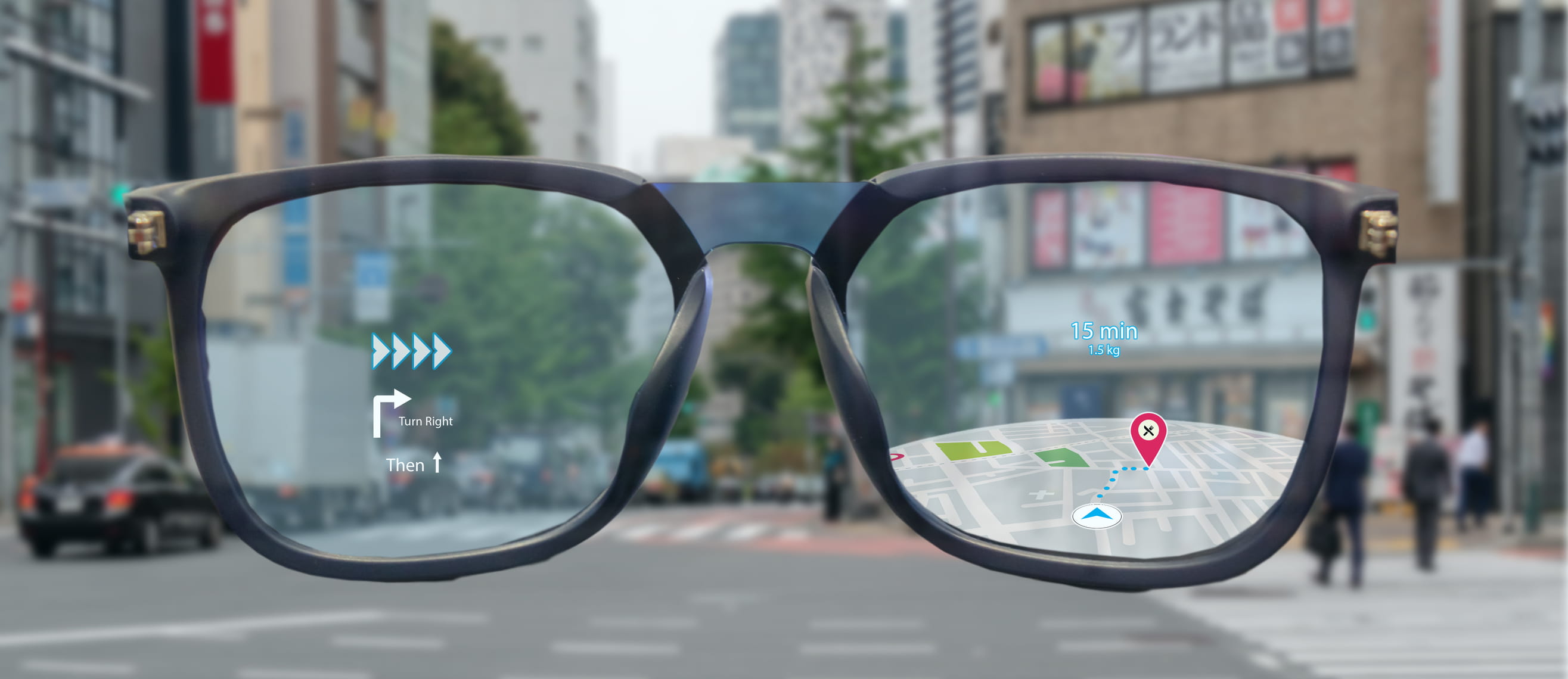
What Makes Smart Glasses Smart?
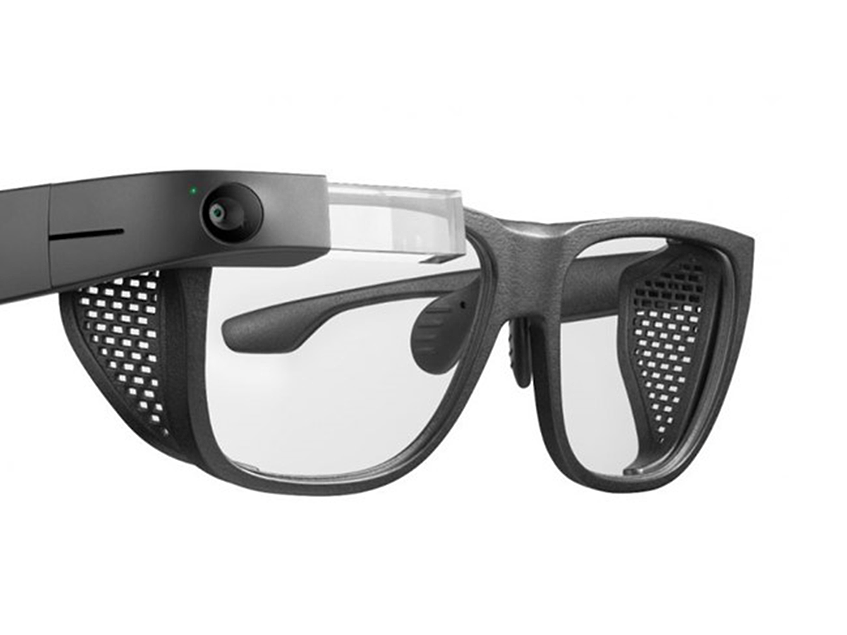
Unlike traditional eyewear, smart glasses integrate sensors, cameras, microphones, AI processing, and sometimes displays into sleek frames. This combination enables features like:
Real-time language translation
Contextual AI assistance (like notifications or navigation)
Object and scene recognition
Hands-free control via voice or gesture
Notifications and life data without needing to look at a phone
These capabilities turn ordinary glasses into personal wearable assistants that understand both what you want and what’s happening around you — all without pulling out a device.
Rapid Market Momentum
The smart glasses category is surging:
AI-enabled models now make up a large majority of smart glasses shipments worldwide, reflecting strong consumer and enterprise interest.
Global revenue from AI smart glasses is forecast to grow several times over in 2026 as major brands — from Meta to Google and Samsung — expand product lines and introduce advanced features.
This growth isn’t just hype — it’s evidence of a genuine shift in how people want to interact with technology: hands-free, intuitive, and always connected.
Real-World Uses: From Everyday to Enterprise
AI smart glasses are versatile, finding use in both everyday life and professional settings:
Everyday Convenience
Live translation while traveling
Notifications and reminders without lifting your phone
Navigation right in your field of view during commutes
These features make life more seamless and let users focus on tasks, not screens.
Enterprise & Field Work
Industries like logistics, healthcare, and maintenance are adopting smart glasses to:
Provide step-by-step instructions
Enable remote expert support
Improve data capture and accuracy
In field environments, this hands-free computing can save time and reduce errors — a major win for productivity.
What’s Next for Smart Glasses?
Several big tech players are already shaping the future:
Meta’s Ray-Ban smart glasses continue to expand in capability and popularity.
Google is planning new AI-integrated eyewear to rival earlier attempts, this time leveraging powerful AI assistants and display tech.
Samsung and other companies are expected to launch competitive products with advanced AR and AI features by late 2025 and beyond.
Looking forward, analysts forecast exponential growth for AI smart glasses, suggesting they may become a mainstream wearable — just like smartwatches once did.
A New Wearable Era
AI smart glasses are more than a gadget — they’re the frontier of wearable computing. By blending artificial intelligence with optics and sensors, they offer a natural, intuitive way to interact with technology: without looking down at screens.
In a world where information is everywhere but attention is limited, smart glasses are poised to be one of the most transformative tech trends of 2026 and beyond.
Final Thoughts
Whether for daily convenience or workplace efficiency, smart glasses are stepping into the spotlight as a wearable solution that truly augments reality rather than just displaying it. With advances in AI, battery technology, and lightweight design, 2026 could be the year smart glasses go mainstream.